
The orange juice cake traces its roots to mid‑century American home baking, where pantry staples like canned orange juice were used to add moisture and bright flavor without the need for fresh fruit. The simplicity of the recipe made it a favorite for busy households, and its gentle sweetness appealed to both children and adults alike. Over decades, bakers have kept the core technique alive, emphasizing a tender crumb and a glossy, sun‑kissed crust.
Why You'll Love It
-
- The aroma fills the kitchen with fresh orange bliss.
-
- Moist texture that stays tender for days.
-
- Only a few pantry ingredients needed.
-
- Perfect for breakfasts, teatimes, or simple desserts.
"This cake reminded me of lazy Sunday mornings — light, fragrant, and just the right amount of sweet."
Essential Ingredient Guide
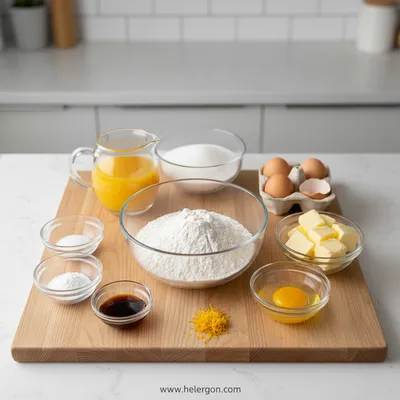
- Orange juice: Use fresh-squeezed or high‑quality bottled juice for the brightest flavor and natural acidity.
- All‑purpose flour: Sifted flour gives a lighter crumb and helps avoid dense pockets.
- Butter: Room‑temperature butter creates a smooth batter and adds richness.
- Baking powder: Leavens the cake gently, keeping it airy without a strong rise.
- Lemon zest: A pinch of zest lifts the citrus profile, balancing the sweet orange.
- Sugar: Granulated sugar dissolves fully, giving a subtle sweetness that doesn’t overpower.

Complete Cooking Process
-
Ingredient Readiness:
Measure flour, whisk baking powder, and zest the lemon before you start. Let the butter soften on the counter.
-
Flavor Development:
Cream butter and sugar until pale, then fold in orange juice; this builds a gentle citrus depth.
-
Texture Control:
Mix dry ingredients just until combined; over‑mixing can toughen the crumb.
-
Finishing Touches:
Glaze the warm cake with a thin drizzle of orange juice mixed with powdered sugar for a glossy finish.
-
Serving Timing:
Let the cake cool slightly before slicing; it’s best enjoyed while still warm, when the aroma is most vivid.
-
Use a light hand when folding in flour to keep the crumb airy.
-
If you like a deeper orange flavor, replace half the juice with orange zest.
-
Bake on the middle rack for even heat distribution.
-
Store in an airtight container; the cake stays moist for up to four days.
Pro Tips
Well, these little details make a big difference. I’ve found that letting the batter rest for five minutes before pouring into the pan helps the flour hydrate fully, resulting in a tender crumb. Also, if you’re serving it to guests, a dusting of powdered sugar adds a pretty finish without extra sweetness. Enjoy the quiet moment of cutting a slice and watching the steam rise—it’s simple, but it feels like a small celebration.
 Sweet Bakes & Desserts
Butter Pecan Ice Cream Recipe
Creamy homemade butter pecan ice cream with crunchy pecans and a buttery finish.
The essence of the dish:
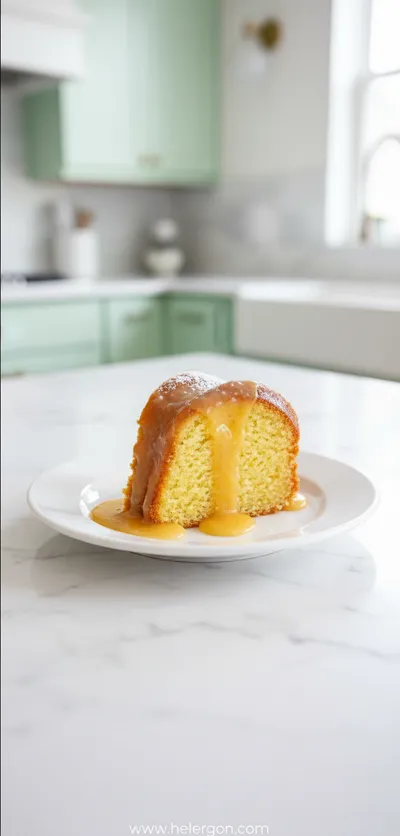
A moist crumb infused with orange juice, brightened by lemon zest, and finished with a light citrus glaze that catches the light.
A fun fact or historical angle:
During the 1950s, orange juice became a staple in American kitchens, leading home bakers to experiment with it in cakes for extra moisture.
Flavor or sensory focus:
You’ll notice the gentle citrus fragrance, a soft buttery mouthfeel, and a subtle sweet‑tangy snap from the glaze.
You Must Know
-
Do not over‑mix the batter.
-
Use fresh orange juice for best aroma.
-
Allow the cake to rest before glazing.
Frequently Asked Questions
→ Can I use frozen orange juice?
Yes, just let it thaw fully; the flavor will be the same, though fresh juice gives the brightest scent.
→ How long does the cake stay fresh?
Stored in an airtight container at room temperature, it stays moist for up to four days.
→ Can I add orange zest to the glaze?
Absolutely—mix a teaspoon of zest into the glaze for an extra pop of flavor.
→ What size pan should I use?
An 8‑inch loaf pan works well; it yields a tall, even crumb.
→ Can I make this cake gluten‑free?
Swap the all‑purpose flour for a gluten‑free blend; the texture remains tender.
→ Is the glaze necessary?
The glaze adds a glossy finish and a sweet‑tart bite, but the cake is lovely on its own.
Nutrition Facts
per serving
280
Calories
4g
Protein
44g
Carbs
9g
Fat
Taste Profile
Bright citrus sweetness with buttery richness
Ingredient Substitutions
Don't have an ingredient? Try these alternatives
Margarine works but may slightly change flavor; coconut oil adds a subtle note.
Provides a deeper caramel tone; reduce by 1‑2 tbsp if you prefer less sweetness.
Recipe Variations
Try these delicious twists on the original
Spicy Version
Add ½ tsp ground ginger and a pinch of cayenne for a warm kick.
Mediterranean Style
Stir in ¼ cup chopped toasted almonds and a drizzle of honey before baking.
Common Mistakes to Avoid
Learn from others' mistakes for perfect results
- Over‑mixing the batter, which can lead to a tough crumb.
- Opening the oven door too often, causing the cake to sink.
- Using cold butter, which prevents proper aeration.
Meal Prep & Storage
Make Ahead Tips
You can whisk the dry ingredients together and store them in an airtight jar for up to a month. The batter can also be prepared ahead and refrigerated for up to 12 hours; just give it a gentle stir before baking.
Leftover Ideas
Reheat a slice in a skillet over low heat with a dab of butter; the glaze will revive beautifully.
Perfect Pairings
Serve this with...
Cooking Timeline
Preheat oven, prepare pan, and gather all ingredients.
Cream butter and sugar, then add eggs and liquids.
Fold in dry ingredients gently, pour batter into pan.
Bake, check for doneness, then let cool slightly before glazing.
Orange Juice Cake – Moist & Easy
A bright, moist orange juice cake that comes together quickly, perfect for a comforting breakfast or a sweet treat any time of day.
Timing
Prep Time
15 Minutes
Cook Time
30 Minutes
Total Time
45 Minutes
Recipe Details
Ingredients
Main Ingredients
-
01
2 cups all‑purpose flour
-
02
1 ½ tsp baking powder
-
03
¼ tsp salt
-
04
½ cup unsalted butter, softened
-
05
1 cup granulated sugar
-
06
2 large eggs
-
07
¾ cup fresh orange juice
-
08
¼ cup whole milk
-
09
Zest of 1 lemon
Citrus Glaze
-
01
½ cup powdered sugar
-
02
2 tbsp orange juice
-
03
1 tsp orange zest (optional)
Instructions
Preheat the oven to 350°F (175°C). Grease an 8‑inch loaf pan and line with parchment.
In a bowl, whisk together flour, baking powder, and salt; set aside.
Using a mixer, cream the butter and sugar until pale and fluffy, about 3–4 minutes.
Add eggs one at a time, beating well after each, then stir in the orange juice, milk, and lemon zest.
Fold the dry ingredients into the wet mixture gently, just until combined; avoid over‑mixing.
Pour the batter into the prepared pan, smooth the top, and bake for 30‑35 minutes, or until a toothpick comes out clean.
While the cake cools, whisk together powdered sugar and orange juice for the glaze; drizzle over the warm cake.
Notes & Tips
-
1
If the cake browns too quickly, tent with foil for the last 10 minutes.
-
2
For extra moisture, replace half the milk with additional orange juice.
-
3
A pinch of almond extract adds a subtle depth without overpowering citrus.
Tools You'll Need
-
Mixing bowls
-
Electric mixer
-
Spatula
-
8‑inch loaf pan
-
Cooling rack
-
Whisk
Must-Know Tips
-
Don't overmix the batter, it can make the crumb dense.
-
Let the butter soften, not melt, for a smooth cream.
-
Taste the glaze and adjust sweetness with more sugar if needed.
Professional Secrets
-
Room temperature butter incorporates air better, giving a lighter crumb.
-
Sifting flour prevents lumps and promotes even rise.
-
Glazing while the cake is still warm helps the glaze set glossy.

Get Delicious Recipes Weekly
Join 25,000+ home cooks getting our best recipes straight to their inbox.
Free forever • No spam • Unsubscribe anytime