
Macarons have journeyed from the bustling confectionery shops of 18th‑century Paris to modern home kitchens, captivating pastry lovers worldwide. Their delicate shells, once a symbol of refined French patisserie, are now celebrated for their playful textures and vibrant colors. The tradition blends precision with creativity, inviting bakers of all levels to explore subtle flavors and elegant presentations.
Why You'll Love It
-
- Gentle steps that demystify the technique
-
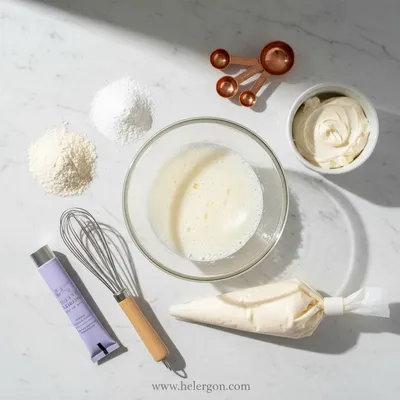
- Minimal equipment needed, just a whisk and a tube
-
- Versatile shells perfect for any filling
-
- A rewarding treat that looks as good as it tastes
"These macarons turned out so light and lovely, even my teenage daughter couldn't believe I made them!"
Essential Ingredient Guide
- Almond flour: Choose a finely milled, blanched almond flour for a smooth surface and delicate crunch.
- Egg whites: Fresh, room‑temperature egg whites whisk to stiff peaks for proper meringue.
- Powdered sugar: Sifts with almond flour to avoid gritty texture and help the shells rise evenly.
- Granulated sugar: Dissolves gently into the meringue, stabilizing the peaks without over‑sweetening.
- Lemon juice: A splash brightens the buttercream, balancing the nutty almond base.
- Unsalted butter: Softened, not melted, to create a silky, spreadable filling.
Complete Cooking Process
-
Ingredient Readiness:
Sift almond flour and powdered sugar together, and separate egg whites from yolks, letting them rest at room temperature.
-
Flavor Development:
Whisk the meringue until glossy; gently fold in the dry mixture to create a lava‑like batter.
-
Texture Control:
Pipe uniform circles onto parchment, then let them rest until a skin forms—this prevents cracks.
-
Finishing Touches:
Bake gently, then pair shells with buttercream, sandwiching them for a perfect bite.
-
Serving Timing:
Allow assembled macarons to rest in the fridge for at least an hour; they develop their signature tenderness.
-
Avoid over‑mixing; the batter should flow slowly off the spatula.
-
Use an oven thermometer to keep temperature steady.
-
Let shells rest for 30‑45 minutes before baking for a smoother surface.
-
Store assembled macarons in an airtight container to keep them fresh.
Pro Tips
Well, these little pearls are forgiving when you pay attention to the small moments. The quiet pause while the shells dry is a perfect time to reflect on the process, maybe sip a tea, and think about how each bite will melt gently on the tongue. It feels like a small celebration of patience.
The essence of the dish:
Macarons capture a balance of crisp exterior and chewy interior, with a buttery, fragrant filling that lingers sweetly.
A fun fact or historical angle:
The modern macaron was popularized in the 1930s by Pierre Lecornu, who refined the almond‑based sandwich style we adore today.
Flavor or sensory focus:
Expect a gentle snap, a soft sigh of almond, and the cool, velvety kiss of buttercream that carries citrus or chocolate notes.
You Must Know
-
Use fresh almond flour; stale flour yields gritty shells.
-
Room‑temperature egg whites whisk more evenly.
-
Rest the piped shells before baking.
Frequently Asked Questions
→ Can I use regular flour instead of almond flour?
The nutty flavor and delicate crumb come from almond flour; regular flour changes both taste and texture.
→ How do I know when the shells are ready to bake?
When a dry skin forms on the surface and the batter no longer sticks to your finger, they’re ready.
→ Why did my macarons crack?
Cracks often result from insufficient resting time or an oven that’s too hot.
→ Can I store macarons for later?
Yes, keep them sealed in the fridge for up to three days; they improve in flavor.
→ What’s a good filling alternative?
Try raspberry jam, chocolate ganache, or a coffee‑infused buttercream for variety.
→ Do I need a silicone mat?
Parchment works fine; a silicone mat can help with even release but isn’t required.
Nutrition Facts
per serving
120
Calories
3g
Protein
12g
Carbs
7g
Fat
Taste Profile
Delicate sweet with nutty undertones
Ingredient Substitutions
Don't have an ingredient? Try these alternatives
Will change flavor and color; sift well to avoid grittiness.
Adds a light caramel note; may affect the glossy finish.
Recipe Variations
Try these delicious twists on the original
Spicy Version
Add a pinch of cayenne and a dash of chocolate ganache for a subtle kick.
Mediterranean Style
Incorporate crushed pistachios and a rose‑water buttercream for an exotic twist.
Common Mistakes to Avoid
Learn from others' mistakes for perfect results
- Over‑mixing the batter, leading to flat shells.
- Baking at too high a temperature, causing cracked tops.
- Skipping the rest period, which makes shells fragile.
Meal Prep & Storage
Make Ahead Tips
You can pipe and dry the shells up to 24 hours ahead; store them in an airtight container before baking.
Leftover Ideas
Gently re‑warm macarons in a low oven (250°F) for 5 minutes to revive the shell’s bite.
Perfect Pairings
Serve this with...
Cooking Timeline
Gather and sift dry ingredients, separate egg whites.
Whisk egg whites to stiff peaks, fold in dry mix.
Pipe shells, let them rest until skin forms.
Bake shells, cool, then prepare buttercream filling.
Assemble macarons, refrigerate to set.
 Sweet Bakes & Desserts
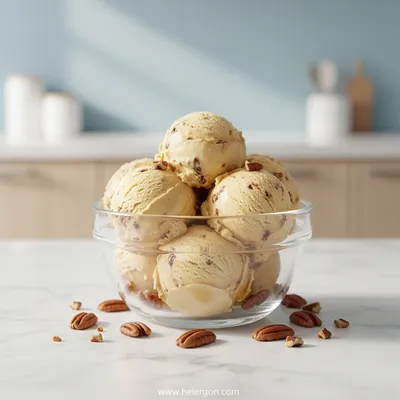
Butter Pecan Ice Cream Recipe
Creamy homemade butter pecan ice cream with crunchy pecans and a buttery finish.
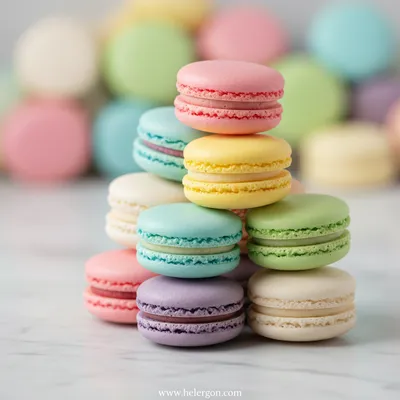
French Macarons – Beginner Friendly Recipe
Delicate French macarons with crisp shells and silky buttercream. A step‑by‑step guide for beginners, offering gentle tips and soothing pacing.
Timing
Prep Time
30 Minutes
Cook Time
20 Minutes
Total Time
50 Minutes
Recipe Details
Ingredients
Macaron Shells
-
01
1 1/2 cups almond flour
-
02
1 3/4 cups powdered sugar
-
03
3 large egg whites (aged at least 24 hours)
-
04
1/4 cup granulated sugar
-
05
A pinch of cream of tartar
Buttercream Filling
-
01
1/2 cup unsalted butter, softened
-
02
1 cup powdered sugar
-
03
1 tsp vanilla extract
-
04
1 tsp lemon juice
-
05
2 tbsp heavy cream
Instructions
Sift almond flour and powdered sugar together twice; set aside in a large bowl.
In a clean bowl, whisk egg whites with a pinch of cream of tartar until foamy, then gradually add granulated sugar, whisking to stiff, glossy peaks.
Fold the dry mixture into the meringue gently, using a spatula, until the batter flows slowly off the spatula—this is called the macaronage.
Pipe 1‑inch circles onto parchment‑lined trays, smoothing the tops with a gentle tap on the counter.
Let the shells rest for 30‑45 minutes until a thin skin forms; they should not stick to your fingertip.
Bake in a preheated 300°F (150°C) oven for 15‑18 minutes. Cool completely before removing.
While shells cool, beat butter until creamy, then add powdered sugar, vanilla, lemon juice, and heavy cream, whipping until light and fluffy.
Pair similar‑sized shells, pipe a dollop of buttercream onto the flat side, and gently sandwich.
Refrigerate assembled macarons for at least one hour to let flavors meld.
Notes & Tips
-
1
If shells develop a slight crack, they’re still edible—just adjust baking time next time.
-
2
For a glossy finish, add a tiny pinch of salt to the meringue.
-
3
You can swap lemon juice for orange zest to vary the flavor.
Tools You'll Need
-
Sieve
-
Electric mixer
-
Silicone spatula
-
Piping bag with round tip
-
Baking sheet
-
Parchment paper
Must-Know Tips
-
Don't over‑mix the batter; it should flow slowly.
-
Use an oven thermometer for consistent heat.
-
Rest shells until they form a skin to avoid cracks.
Professional Secrets
-
Aged egg whites whisk more steadily.
-
Low oven temperature yields even rise.
-
Letting filled macarons rest improves texture.

Get Delicious Recipes Weekly
Join 25,000+ home cooks getting our best recipes straight to their inbox.
Free forever • No spam • Unsubscribe anytime